
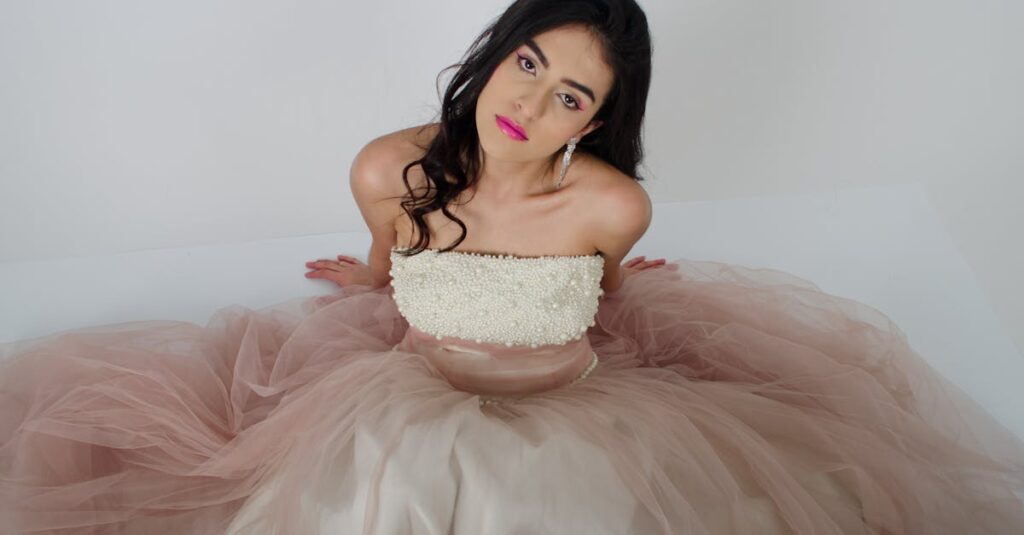
Planning a wedding is like herding cats—exciting yet chaotic. Amidst the whirlwind of venue bookings and cake tastings, one crucial detail often gets overlooked: bridal makeup. The right look can make a bride feel like a million bucks, but trial runs are essential to avoid any last-minute surprises. After all, no one wants to walk down the aisle looking like a confused raccoon.
Table of Contents
ToggleUnderstanding Bridal Trial Makeup
Bridal trial makeup plays a crucial role in the overall wedding planning process. This practice ensures the bride achieves her desired look, enhancing her confidence on the big day.
Importance of a Makeup Trial
A makeup trial allows brides to experiment with different styles and products. Understanding skin type and preferences helps in making informed choices. By testing various shades and finishes, brides minimize the risk of dissatisfaction on the wedding day. Feedback from the makeup artist regarding products and techniques can lead to more refined choices. This trial session creates an opportunity to assess how the makeup withstands time and conditions, ensuring it looks fresh throughout the event.
When to Schedule Your Trial
Scheduling a makeup trial should happen several weeks before the wedding. Planning between two to three months in advance allows time for adjustments if needed. Brides should ensure they have enough time to test more than one look if desired. Setting the trial date close to any pre-wedding events is beneficial for testing makeup under similar conditions. It’s essential to coordinate with the professional’s schedule to ensure availability during peak wedding seasons.
Preparing for Your Trial
Preparing for a bridal trial involves several key steps that set the foundation for a successful makeup application. Attention to skin health and the choice of the right artist significantly influence the final outcome.
Skin Preparation Tips
Skincare products play a pivotal role in achieving a flawless complexion. Cleanse the face thoroughly to eliminate impurities before the trial. Exfoliating the skin a few days prior enhances smoothness and helps makeup adhere better. Moisturizing is essential, as hydrated skin provides a better canvas. Applying a primer shortly before makeup application can help the makeup last longer on the day of the trial. Sunscreen should also be considered, especially if trying looks outdoors. Testing makeup products on the skin ahead of time can prevent potential allergic reactions. Preparing this way creates a fresh and radiant look for any bridal trial experience.
Choosing Your Makeup Artist
Selecting a makeup artist requires careful consideration. Researching local professionals early helps identify those who suit individual preferences. Checking portfolios of previous work can showcase an artist’s style and versatility. Reading client reviews provides insights into their reliability and professionalism. Scheduling consultations with potential artists allows for direct interaction and helps establish comfort levels. Discussing specific makeup looks, as well as skin type and concerns, is crucial during these meetings. Comparisons between artists based on experience, pricing, and personality can greatly influence the final decision. Prioritizing these factors ensures the chosen makeup artist aligns with the bride’s vision for her wedding day.
What to Expect During the Trial
Brides can expect a comprehensive experience during their makeup trial. This process involves detailed discussions and careful applications to achieve the desired look.
Consultation Process
During the consultation, the makeup artist and bride discuss preferences, inspirations, and any specific themes for the wedding. Artists often ask about skin type to tailor the makeup products effectively. Before starting, sharing past experiences and concerns regarding makeup enhances understanding. Visual aids, such as photos or swatches, help clarify the desired outcome. Each session should encourage open communication, allowing brides to voice their thoughts about different styles and techniques. Taking notes during this phase assists in remembering key details for the final look. Establishing a connection with the artist enhances comfort and confidence.
Makeup Application Techniques
Makeup application techniques vary based on the bride’s vision and skin type. Artists typically use high-quality foundation tailored to the bride’s complexion, providing a smooth base. In this phase, blending techniques become crucial, ensuring the makeup looks flawless and natural. Eye makeup often plays a vital role, with techniques such as smoky eyes or classic looks being popular choices. Highlighters and blush add dimension, while setting sprays help the look last. Brides should ask about products used and potential alternatives, focusing on long-lasting and comfortable formulas. Experimenting with different styles during the trial helps identify what photographs best in various lighting conditions. Each application should reflect the bride’s personality while enhancing her natural beauty.
Key Elements to Focus On
Bridal makeup involves specific elements that contribute to a stunning look on the big day. Understanding these key components helps brides achieve their desired aesthetic.
Foundation and Coverage
Selecting the right foundation is essential for achieving a flawless base. Choose a formula that matches the skin tone to create a natural appearance. Opt for full coverage if the skin requires it, or light coverage for a more minimalist look. Testing the foundation during the trial ensures it withstands various lighting and conditions. Brides often benefit from long-wear products that maintain their appearance throughout the event. Consider the skin type, as oily and dry skin may react differently to various formulations. Always incorporate a setting spray to lock in the makeup for lasting wear.
Eye Makeup Options
Eye makeup completes the bridal look and enhances the eyes’ natural beauty. Selecting shades that complement the wedding colors and outfit makes a significant impact. Soft, earthy tones offer a romantic vibe, while bold colors create a striking contrast. Eyeliner options range from subtle to dramatic, catering to various styles. False lashes can add volume and length, making the eyes appear brighter and more awake. Testing different eye looks during the trial helps brides find what suits them best. It’s vital to ensure the eye makeup stays in place and doesn’t smudge throughout the day.
Lip Color Choices
Lip color can dramatically alter the overall bridal aesthetic. Opting for shades that enhance the natural lip tone creates a harmonious look. Nude tones work well for understated elegance, while bold reds or pinks make a statement. Brides should consider their overall style, as the lip color needs to align with the chosen makeup theme. Testing the lip color against various wedding attire ensures a cohesive appearance. Choosing long-lasting formulas prevents frequent touch-ups during the day. Exploring gloss versus matte finishes can also impact the final look, so experimentation during the trial proves beneficial.
Finalizing Your Look
Finalizing the bridal makeup look requires thoughtful adjustments and careful planning. Focus on ensuring every detail aligns with the bride’s vision.
Making Adjustments
Adjustments may be necessary after the initial trial. A bride can tweak colors or techniques to achieve the ideal look. Fine-tuning foundation shades ensures a flawless complexion under different lighting. If specific makeup techniques don’t translate well on camera, informing the makeup artist is essential. Communicating feedback helps refine the overall aesthetic. Remember, comfort is key, so if a particular style feels off, it’s worth discussing alternatives with the artist.
Tips for Taking Photos
Taking photos during the trial captures the makeup’s appearance in various lights. Use natural lighting whenever possible to evaluate how the makeup translates on camera. Encourage the bride to take pictures from different angles to assess all aspects. Reviewing these images can provide insights into which looks resonate best. Suggesting close-ups of the eyes and lips highlights key features effectively. Finally, capturing photos during various times of day aids in understanding how makeup holds up under different conditions.
Bridal trial makeup is a pivotal step in ensuring a bride feels confident and beautiful on her big day. By investing time in trials brides can explore various styles and products that resonate with their vision. This preparation not only minimizes the risk of last-minute surprises but also allows for thoughtful adjustments based on personal preferences.
Open communication with the makeup artist is key to achieving the desired look. With careful planning and attention to detail brides can create a stunning makeup style that enhances their natural beauty while perfectly aligning with their wedding theme. Ultimately this process transforms the bridal makeup journey into a memorable experience that reflects the bride’s unique personality.


