
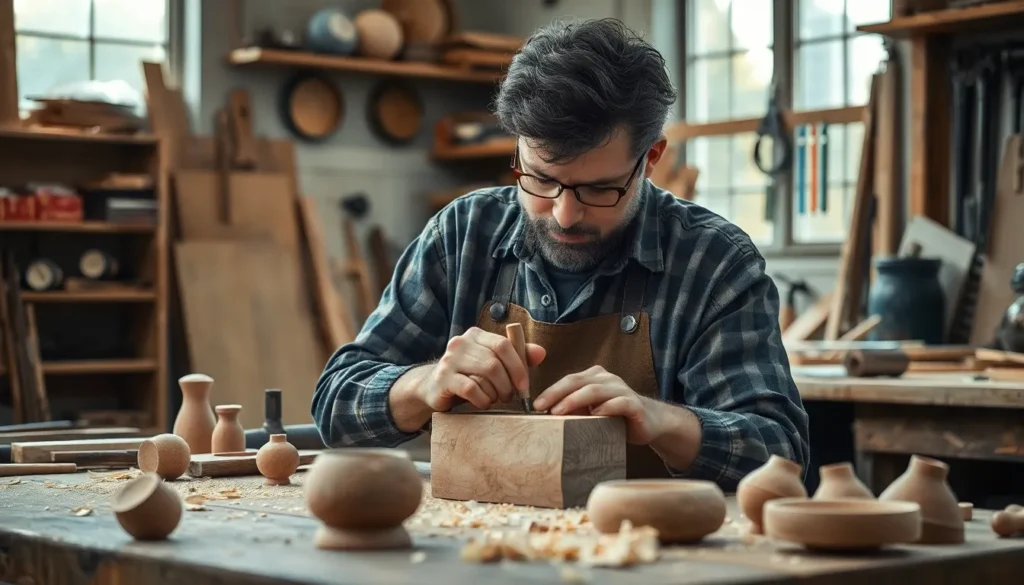
Craft knowledge is the unique blend of skills, techniques, and insights artisans develop through hands-on experience. It’s more than just knowing how to use tools; it embodies the intuition and creativity that come from years of practice. Whether in woodworking, pottery, or textiles, craft knowledge allows creators to push boundaries and innovate within their fields.
In today’s fast-paced world, the value of this deep-rooted expertise often gets overshadowed by technology and mass production. However, the resurgence of interest in handmade goods highlights the importance of preserving and sharing craft knowledge. This article explores how this rich tradition not only enhances individual craftsmanship but also fosters community connections and cultural heritage.
Understanding Craft Knowledge
Craft knowledge encompasses the specialized skills and insights gained through practical experience. This knowledge not only involves techniques but also the creativity and intuition developed by artisans over time.
Definition of Craft Knowledge
Craft knowledge refers to the accumulated understanding and expertise related to a specific craft or trade. It includes practical skills, materials knowledge, and contextual insights that artisans utilize to create quality handmade products. Craft knowledge is characterized by its uniqueness to each artisan, shaped by experience and individual experimentation.
Importance of Craft Knowledge in Various Fields
Craft knowledge plays a crucial role across numerous fields.
- Arts and Crafts: Artisans utilize craft knowledge to produce unique, high-quality artworks and handmade items that express personal creativity.
- Culinary Arts: Chefs apply craft knowledge to master cooking techniques, flavor combinations, and presentation styles, enhancing gastronomic experiences.
- Manufacturing: Skilled workers leverage craft knowledge to improve production methods, craft components, and maintain high standards in quality control.
- Fashion: Designers depend on craft knowledge to create innovative textiles, structures, and styles, establishing trends while preserving traditional techniques.
- Cultural Preservation: Communities use craft knowledge to maintain and pass down cultural traditions, enhancing heritage and identity.
This knowledge supports innovation while honoring history across various disciplines.
Historical Perspective on Craft Knowledge

Craft knowledge evolved significantly over centuries, shaped by cultural, social, and technological changes. Understanding its evolution offers insights into the skills and expertise vital to various crafts today.
Evolution of Craft Knowledge Through Time
Craft knowledge originated in prehistoric societies where basic skills were essential for survival. Early artisans honed techniques relevant to their environments, leading to the refinement of tools and methods.
As civilizations advanced, craft knowledge became formalized and shared. The rise of guilds in the Middle Ages established standards and practices, promoting skill development within specific trades. Each craft, from blacksmithing to textiles, required mastery of unique techniques, materials, and processes.
The Industrial Revolution introduced mechanization, impacting traditional crafts. While mass production increased efficiency, it diminished the role of artisans. By the late 20th century, a counter-movement emerged, fostering renewed interest in handcrafted goods. This resurgence emphasizes the importance of maintaining craft knowledge.
Key Figures in the Development of Craft Knowledge
Several influential figures contributed to the evolution of craft knowledge:
- William Morris: A leader of the Arts and Crafts Movement in the late 19th century, Morris opposed industrialization’s effects on craftsmanship, advocating for the integration of art and utility in everyday objects.
- John Ruskin: An art critic and social thinker, Ruskin championed the importance of traditional craftsmanship, arguing that craftsmanship adds value to products and enhances the human experience.
- Mahatma Gandhi: Gandhi promoted the idea of self-sufficiency through traditional crafts, emphasizing hand-spinning and weaving as cultural and economic acts that fostered independence and community.
- Sam Maloof: A 20th-century furniture maker, Maloof showcased the fusion of form and function, restoring appreciation for handcrafted woodworking skills and inspiring future artisans.
These key figures played vital roles in preserving and promoting craft knowledge, highlighting its enduring significance in modern society.
Types of Craft Knowledge
Craft knowledge comprises various types, primarily categorized into tacit and explicit knowledge. Understanding these distinctions enhances the appreciation of how artisans develop their skills.
Tacit Knowledge vs. Explicit Knowledge
Tacit knowledge encompasses the intuitive skills and experiences artisans gain over time through practice. This knowledge is often difficult to articulate, as it includes insights gained from personal exploration and experimentation. For instance, a potter may develop a feel for clay texture and firing techniques that can’t easily be conveyed through written instructions.
Explicit knowledge, on the other hand, includes formalized information and methodologies that artisans can easily share through manuals, tutorials, or workshops. This knowledge covers techniques, processes, and the specific properties of materials. For example, a woodworker might document detailed plans for constructing furniture, providing a structured approach for others to follow.
Contextual Intelligence in Craft Practices
Contextual intelligence refers to the ability to apply craft knowledge appropriately within specific situations. This intelligence involves assessing the unique circumstances surrounding a project, enabling artisans to make informed decisions. An example includes a chef adjusting a recipe based on seasonal ingredient availability or choosing techniques that accommodate the particular attributes of the ingredients.
Artisans with strong contextual intelligence recognize cultural, historical, or environmental factors influencing their craft. They adapt their practices accordingly, ensuring relevance and sustainability within their communities. This intelligence enhances the depth of craft knowledge, fostering innovation while respecting traditional methods.
Applications of Craft Knowledge
Craft knowledge finds applications in various domains, significantly enriching both traditional practices and modern industries.
Craft Knowledge in Traditional Practices
Craft knowledge plays a vital role in traditional practices, encompassing techniques passed down through generations. Artisans leverage this expertise to uphold the integrity of cultural heritage. Examples include:
- Pottery: Experienced potters utilize clay characteristics to create unique forms, employing firing techniques specific to their region.
- Textile Weaving: Weavers integrate patterns and colors, drawing from historical motifs to produce textiles that reflect cultural identities.
- Woodworking: Woodworkers craft furniture by understanding wood types and joinery methods, preserving techniques that highlight local craftsmanship.
These practices demonstrate that craft knowledge not only maintains tradition but also fosters community identity and continuity.
Craft Knowledge in Modern Industries
Craft knowledge adapts and thrives in modern industries, blending traditional skills with contemporary technologies. This application enhances product quality and innovation. Notable areas include:
- Culinary Arts: Chefs apply craft knowledge to elevate cooking techniques and flavor combinations, creating unique dining experiences.
- Fashion Design: Designers incorporate traditional methods into modern designs, merging craftsmanship with current trends to produce distinctive garments.
- Manufacturing: Skilled workers utilize craft knowledge to refine processes, ensuring product durability and maintaining high standards in quality control.
These modern applications illustrate how craft knowledge evolves and remains relevant, contributing to innovative solutions while respecting time-honored techniques.
Challenges and Future Directions
Craft knowledge faces several challenges in a rapidly evolving digital landscape. Despite the rising appreciation for handmade goods, the gap between traditional skills and modern technology presents obstacles in preserving this invaluable knowledge.
Preserving Craft Knowledge in a Digital Age
Preserving craft knowledge in a digital age requires innovative approaches. Digital documentation and online platforms serve as tools for artisans to share their expertise, making craft techniques accessible to a broader audience. Virtual workshops and online tutorials offer practical demonstrations, bridging the gap between generations. However, balancing technology with the authenticity of hands-on experience remains critical. Digital formats often lack the tactile engagement essential to craft learning, creating a need for hybrid models that incorporate both virtual and in-person elements. Communities of practice can emerge online, fostering collaboration and support among artisans, thereby reinforcing the importance of craft knowledge in a modern context.
Enhancing Craft Knowledge through Education
Enhancing craft knowledge through education involves integrating traditional practices into contemporary curricula. Educational institutions can offer specialized programs focused on artisan skills, establishing connections between academic theory and practical experience. Workshops, internships, and mentorships allow students to learn from seasoned artisans, facilitating the transfer of tacit knowledge and skills. Higher education institutions can also collaborate with local craftspeople, creating dynamic learning environments that celebrate cultural heritage while promoting innovation. Incorporating craft knowledge into broader educational frameworks can cultivate future generations of artisans, ensuring the survival and evolution of traditional crafts.
Craft knowledge stands as a vital element in today’s rapidly changing world. It bridges the gap between tradition and innovation while fostering a deeper appreciation for handmade goods. By valuing both tacit and explicit knowledge, artisans can adapt their skills to modern contexts without losing the essence of their craft.
The rise of digital platforms offers new opportunities for sharing this invaluable knowledge, ensuring its survival for future generations. As society continues to embrace the unique qualities of handcrafted items, the significance of craft knowledge will only grow, enriching communities and preserving cultural heritage. Ultimately, it’s this blend of history and creativity that will keep the spirit of craftsmanship alive.


