
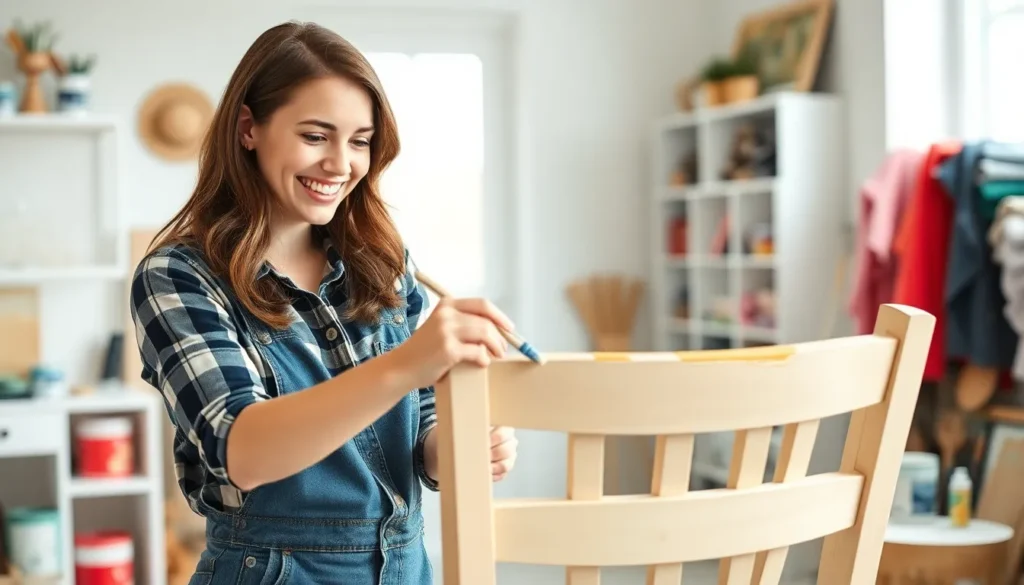
Transforming a space doesn’t have to be a daunting task. With a touch of creativity and a bit of elbow grease, anyone can dive into the world of interior design DIY. This approach not only allows for personal expression but also helps in creating a home that truly reflects one’s style and personality.
From simple decor updates to complete room makeovers, DIY projects can elevate any living space. Armed with the right tools and ideas, even beginners can tackle projects that seem intimidating at first. Whether it’s reupholstering furniture or creating custom wall art, the possibilities are endless. Embracing DIY interior design opens the door to a more personalized and unique home environment.
Understanding Interior Design DIY
Interior design DIY refers to projects that individuals undertake to enhance or transform their living spaces. This practice empowers homeowners to personalize their environments while often saving money compared to professional services.
What is Interior Design DIY?
Interior design DIY involves users engaging in tasks like painting walls, reorganizing furniture, and crafting unique decor elements. Projects range from simple tasks, like creating accent pillows, to more complex endeavors, such as constructing shelves or installing lighting fixtures. DIY allows individuals to utilize their creativity, explore new skills, and achieve results that align with their personal aesthetics.
Importance of DIY in Interior Design
DIY plays a significant role in interior design for several reasons:
- Cost-Effective Solutions: DIY projects typically reduce expenses compared to hiring professionals, allowing individuals to allocate funds toward quality materials or additional projects.
- Creative Expression: DIY provides an outlet for artistic expression, enabling individuals to reflect their personal style through tailored designs.
- Skill Development: Engaging in DIY tasks fosters new skills, such as woodworking or sewing, enhancing confidence and capability over time.
- Customization: DIY allows for the creation of unique pieces that fit specific spaces and requirements, ensuring a personalized touch.
- Satisfaction: Completing a DIY project often results in a sense of accomplishment and pride, as individuals see their visions come to life in their homes.
Essential Tools for Interior Design DIY

Having the right tools simplifies the DIY process, making projects efficient and enjoyable. This section details essential tools for both beginners and experienced DIYers.
Must-Have Tools for Beginners
- Tape Measure: Ensures precise measurements for furniture placement and decor sizing.
- Utility Knife: Offers versatility for cutting various materials like cardboard or fabric.
- Screwdriver Set: Includes multiple types (flathead, Phillips) for assembling or disassembling furniture.
- Hammer: Ideal for hanging items or crafting simple projects.
- Level: Guarantees that shelves and frames are straight, enhancing visual appeal.
- Paintbrushes: Essential for applying paint or touch-ups on walls and furniture.
- Paint Roller: Facilitates quicker painting of larger surfaces, ensuring an even finish.
- Pliers: Useful for gripping, twisting, and cutting materials during various tasks.
- Hot Glue Gun: Provides a quick method for attaching lightweight materials and decor elements.
- Safety Gear: Includes gloves, goggles, and masks to protect during projects.
Advanced Tools for Experienced DIYers
- Rotary Tool: Versatile for cutting, sanding, and polishing intricate designs.
- Circular Saw: Enables precise cuts in wood or composite materials for larger projects.
- Nailer and Stapler: Efficient for quick assembly of furniture or framing.
- Jigsaw: Allows for curved and intricate cuts in various materials, enhancing creative options.
- Orbital Sander: Smoothens surfaces effectively, preparing them for painting or finishing.
- Stud Finder: Identifies wall studs for secure mounting of shelves and heavy items.
- Miter Saw: Facilitates accurate angled cuts, essential for trim and molding projects.
- Air Compressor: Powers nail guns and other pneumatic tools for faster tasks.
- Paint Sprayer: Offers a professional finish quickly for large areas or detailed work.
- Laser Level: Ensures precision alignment over longer distances, perfect for larger projects.
Popular Interior Design DIY Projects
DIY interior design projects present opportunities for enhancing spaces while keeping budgets manageable. Individuals can choose from various projects that offer creativity and personalization.
Budget-Friendly Home Makeovers
Budget-friendly home makeovers prioritize cost-effective strategies for transforming spaces. Options include:
- Painting Walls: Fresh paint changes room ambiance dramatically. Selecting colors that complement existing furniture adds vibrancy.
- Refinishing Furniture: Sanding and staining or painting old furniture can breathe new life into tired pieces.
- Creating Accent Walls: Using removable wallpaper or decals provides a cost-effective way to introduce patterns and textures.
- Updating Fixtures: Replacing outdated hardware and light fixtures enhances functionality and aesthetics without extensive renovations.
- Repurposing Textiles: Reupholstering cushions or using fabric remnants for throw pillows adds color and comfort economically.
Creative Upcycling Ideas
Creative upcycling ideas leverage existing materials for new purposes, reducing waste while enhancing décor. Examples include:
- Transforming Pallets: Pallets can be converted into coffee tables, planters, or wall art, offering rustic charm.
- Using Jars: Glass jars serve as stylish storage solutions, candle holders, or decorative vases.
- Repurposing Old Doors: Old doors can become unique headboards, tabletops, or wall art, adding character to spaces.
- Creating Art from Scrap: Combining wood scraps or fabric remnants leads to unique wall art pieces that reflect personal style.
- Mason Jar Herb Garden: Utilizing mason jars for an indoor herb garden provides fresh herbs while serving as attractive décor.
These projects encourage creativity and sustainability while enabling homeowners to achieve stylish results.
Tips for Successful Interior Design DIY
Planning contributes significantly to a successful DIY interior design project. Preparation ensures projects run smoothly and yield satisfying results.
Planning and Preparing Your Space
Planning includes assessing the current layout and identifying focal points. Measurements prove essential for determining where furniture and decor will fit. Sketching a layout helps visualize the new design and allows for adjustments before making changes. Establishing a budget clarifies costs associated with materials and tools. Setting realistic timelines guides progress and keeps projects on track. Decluttering the space creates a clean canvas, facilitating a more effective design process.
Choosing the Right Materials
Choosing materials directly influences the quality and appearance of the finished project. Selecting durable materials ensures longevity and withstands daily use. For furniture refinishing, high-quality paint and finishes enhance visuals while protecting surfaces. Opting for sustainable materials, such as reclaimed wood or eco-friendly paints, promotes environmental responsibility. When shopping, prioritize local suppliers for unique items while potentially reducing costs. Test samples, when possible, to see how colors and textures interact with existing elements in the space.
Common Mistakes in Interior Design DIY
DIY interior design offers creative freedom, yet many make common mistakes that hinder success. Avoid these pitfalls to achieve better results.
Overcommitting to a Project
Overcommitting often leads to unfinished projects and frustration. Homeowners frequently underestimate the time and resources required. Sticking to manageable projects ensures successful completion. It’s essential to set realistic goals, breaking larger tasks into smaller, achievable steps. Prioritizing projects based on personal skills and available time also enhances success rates.
Ignoring Design Principles
Ignoring fundamental design principles can diminish the overall effect of a space. Balancing color, scale, and proportion creates visual harmony. Knowing one’s color palette prevents clashing hues and maintains cohesion. Properly scaling furniture and decor ensures everything fits harmoniously within a room. Additionally, considering lighting effects on colors and materials enhances the overall aesthetic. Insights from professional design resources can provide guidance on upholding these essential principles in DIY projects.
Embracing DIY interior design opens a world of possibilities for personal expression and creativity. With the right tools and a bit of planning anyone can transform their space into a reflection of their unique style. The satisfaction that comes from completing a project not only enhances the living environment but also boosts confidence and skills.
By taking on DIY tasks homeowners can save money while creating beautiful and functional spaces. Whether it’s a simple decor update or a more ambitious makeover each project offers a chance to learn and grow. With a thoughtful approach and a commitment to quality anyone can achieve stunning results that breathe new life into their home.


