
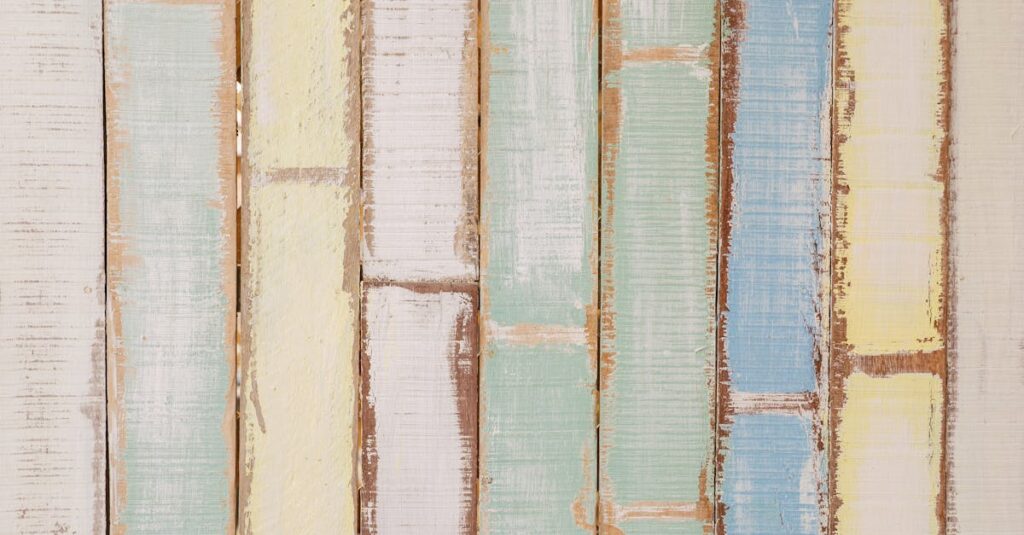
In a world where everything seems to be mass-produced and plastic-fantastic, reclaimed wood crafts stand out like a lumberjack at a vegan brunch. These unique creations not only showcase the beauty of nature but also tell a story of sustainability. Imagine transforming weathered barn wood into stunning furniture or quirky home decor that adds character and charm to any space.
Table of Contents
ToggleOverview of Reclaimed Wood Crafts
Reclaimed wood crafts exemplify a sustainable approach to creating unique home furnishings. These crafts utilize salvaged wood from sources like old barns, factories, and ships. Artisans often transform this weathered wood into furniture and decor that reflects history and character.
Many reclaimed wood items serve practical purposes while showcasing their natural beauty. For instance, dining tables made from reclaimed wood often feature distinctive grain patterns and textures, making each piece one-of-a-kind. Shelves crafted from reclaimed materials can add rustic charm to any room.
Crafting with reclaimed wood promotes environmental consciousness. It reduces waste by repurposing materials that might otherwise end up in landfills. Using reclaimed wood conserves resources, as it minimizes the need for new lumber from forests.
Community artisans and craftsmen play a vital role in the reclaimed wood movement. They often share their skills through workshops, educating others on the benefits of using reclaimed materials. Their work supports local economies, as many craftspeople source wood from nearby locations.
In addition to furniture, reclaimed wood crafts encompass a variety of items. Wall art, picture frames, and decorative accents also showcase the wood’s unique properties. Many individuals opt for these crafts to infuse their spaces with a personal touch.
The appeal of reclaimed wood crafts lies not only in their aesthetic value but also in their storytelling. Each piece carries a history, connecting its owner to the past. Embracing reclaimed wood fosters a greater appreciation for craftsmanship and sustainability in home design.
Benefits of Using Reclaimed Wood
Reclaimed wood offers numerous advantages, enhancing both environmental sustainability and aesthetic appeal in various crafts.
Environmental Impact
Using reclaimed wood significantly reduces the demand for new lumber. This practice lowers deforestation rates while conserving precious ecosystems. By salvaging wood from old structures, artisans minimize landfill waste caused by discarded materials. Each piece of reclaimed wood helps decrease the carbon footprint associated with logging and manufacturing processes. Moreover, repurposing existing materials conserves energy, as transforming reclaimed wood requires less processing than producing new timber. Vendors often support sustainable practices, which leads to stronger local economies and community relationships.
Unique Aesthetic
Reclaimed wood boasts an unparalleled charm that enhances the design of any space. Artisans transform weathered wood, showcasing rustic textures and rich character. Each piece features distinctive grain patterns, colors, and histories that new lumber can’t replicate. Homeowners appreciate the individuality it brings, making reclaimed wood crafts conversation starters. Designers often incorporate these unique materials into furniture, wall art, and home decor. The irregularities present in reclaimed wood highlight its authenticity, infusing environments with warmth and personality that mass-produced items lack.
Popular Reclaimed Wood Craft Ideas
Reclaimed wood crafts offer endless creative possibilities. These unique items not only enhance aesthetics but also tell a story.
Furniture
Crafting furniture from reclaimed wood creates stunning pieces that add character to any room. Dining tables, benches, and chairs showcase unique grain patterns and textures, creating a warm, rustic feel. Custom coffee tables made from barn wood stand out with their weathered charm. Each piece carries a history, making it a conversation starter. Desks made from reclaimed wood can provide an inspiring workspace while contributing to sustainability. Combining artistry with practicality, reclaimed wood furniture suits various styles, from modern to farmhouse.
Home Decor
Reclaimed wood makes for captivating home decor. Wall art crafted from salvaged wood highlights natural beauty and rustic elegance. Picture frames with distressed finishes bring a touch of vintage flair to photographs. Decorative accents, such as candle holders or wooden signs, enhance interiors while adding personality. Floating shelves made from reclaimed wood serve both functional and aesthetic purposes, displaying treasures or books. Accessories like these reflect individual style while promoting eco-friendliness. Each reclaimed wood decor item showcases craftsmanship and a commitment to sustainability.
Techniques for Working with Reclaimed Wood
Working with reclaimed wood requires specific techniques to maximize its potential and maintain its integrity.
Tools and Materials Needed
A variety of tools facilitates the transformation of reclaimed wood into beautiful crafts. Circular saws cut planks to size efficiently, while miter saws create precise angles for joints. Sander tools smooth rough surfaces, enhancing the wood’s natural beauty. Clamps hold pieces in place during assembly. Lastly, quality wood glue securely bonds joints together. Essential materials include finishing oil, stains, or sealants to protect the surface and enhance color. Selecting durable screws or nails ensures structural stability in the final products.
Tips for Sourcing Quality Wood
Sourcing quality reclaimed wood involves careful consideration of several factors. Inspecting the wood for damage or rot provides insight into its condition. Knowing reputable suppliers will yield the best selections, as they often offer a diverse range of materials. Visiting local reclamation yards or salvage stores can uncover unique finds not available elsewhere. Checking for local construction or renovation projects can also lead to useful sources of reclaimed wood. Engaging with online marketplaces often reveals various sellers, enhancing the opportunity to find premium materials.
Challenges in Reclaimed Wood Crafts
Crafting with reclaimed wood involves several challenges that artisans often encounter. Sourcing high-quality reclaimed wood requires patience and diligence as not all salvaged materials meet the desired standards. Inspections for decay, pest damage, or structural weakness become essential, as these factors can impact the integrity of the final product.
Working with reclaimed wood also poses difficulties due to its unique characteristics. Variability in grain patterns and moisture content can complicate cutting and joining processes. Each piece might behave differently, leading to adjustments in design during construction. Artisans need to adapt their techniques based on individual wood pieces to ensure accurate fitting and aesthetic appeal.
Finishing reclaimed wood can present its own set of challenges. Applying stains and sealants evenly requires skill, as inconsistencies may reveal imperfections or blemishes. Some surfaces, particularly those exposed to the elements, can absorb finishes unpredictably. Each final product demands thoughtful consideration to enhance both beauty and durability.
Market competition adds another hurdle. With the rise of DIY trends, numerous crafters enter the reclaimed wood space, increasing saturation. Establishing a unique brand identity becomes paramount for standing out and attracting customers. Effective marketing strategies play a critical role in reaching the target audience while showcasing craftsmanship and originality.
In addition to crafting and market concerns, the environmental impact can also pose a challenge. Not all reclaimed wood sourcing practices adhere strictly to sustainable principles. Understanding the provenance of materials ensures artisans contribute positively to eco-friendliness. Awareness of these aspects is crucial in maintaining the integrity of the reclaimed wood movement.
Collaboration and skill-sharing among artisans can alleviate some challenges, creating a supportive community where knowledge and resources flow. Joining workshops or online forums helps artisans refine techniques and navigate sourcing dilemmas effectively. By addressing these challenges, reclaimed wood artisans can continue producing sustainable, beautiful crafts while enhancing their craft and community engagement.
Reclaimed wood crafts embody a harmonious blend of beauty and sustainability. They not only enhance living spaces with their unique charm but also contribute to environmental conservation. By choosing these handcrafted items, individuals support local artisans and promote a circular economy that values resourcefulness.
The stories behind each piece of reclaimed wood add depth and character to any home. As more people embrace this eco-friendly approach to design, the movement continues to grow, inspiring creativity and innovation. Whether through furniture or decor, reclaimed wood crafts offer an opportunity to make a positive impact while adding a personal touch to any environment.


