

Flu season’s here, and it’s ready to crash the party like an uninvited guest who just won’t leave. If you’re feeling the telltale signs—a stuffy nose, aching body, and a cough that could wake the dead—it’s time to take action. But fear not! There are plenty of ways to kick that pesky virus to the curb and reclaim your cozy couch.
Understanding The Flu
Flu, caused by influenza viruses, spreads quickly, especially in crowded places. Common symptoms include fever, chills, fatigue, headaches, sore throat, and muscle aches. Transmission occurs through respiratory droplets when an infected person sneezes or coughs. Close contact with contagious individuals raises the risk of infection.
Seasonal outbreaks typically happen during fall and winter months. The flu can lead to serious complications, particularly in vulnerable populations such as young children, elderly adults, and individuals with chronic health conditions. According to the CDC, millions contract the flu each year, highlighting its prevalence and impact.
Vaccination offers the most effective prevention method against the flu. Annual flu shots encourage immune response and reduce severity in case of infection. Along with vaccination, good hygiene practices, such as frequent hand washing and using hand sanitizers, help limit the spread of the virus.
Supportive care remains essential for managing symptoms. Staying hydrated aids recovery, while rest allows the immune system to function more effectively. Over-the-counter medications can alleviate discomfort caused by fever, pain, and sore throat. Using a humidifier or saline nasal spray may ease congestion, providing additional relief.
Monitoring symptoms regularly is crucial. If complications arise, such as difficulty breathing or high fever, seeking medical attention promptly can prevent further health issues. Understanding the flu’s nature empowers individuals to take proactive measures for their health and well-being.
Home Remedies
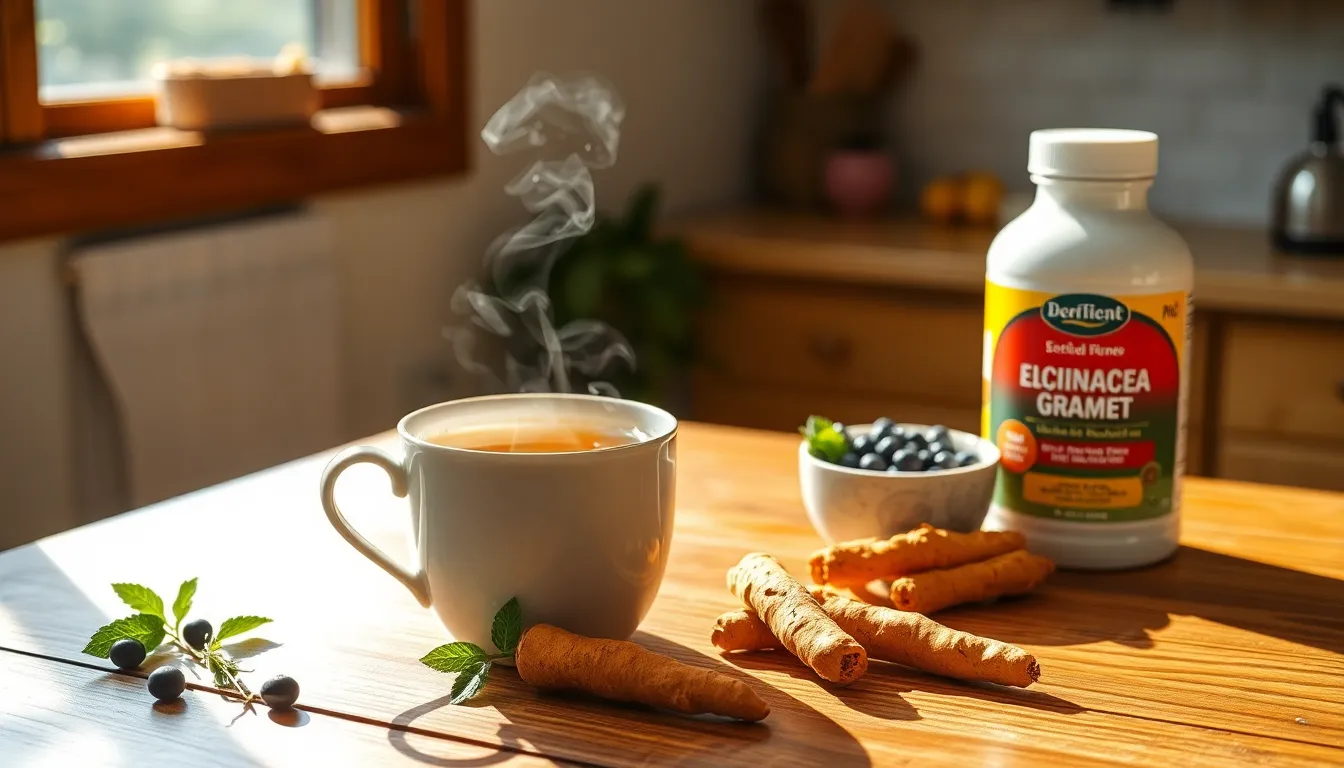
Home remedies often provide comfort during flu season. Many individuals find relief from symptoms using simple, natural solutions.
Herbal Remedies
Herbal remedies offer a range of options for flu symptoms. Ginger can soothe nausea and reduce inflammation. Elderberry is known for its antiviral properties, potentially improving recovery time. Echinacea may strengthen the immune response, helping the body to fight off the virus. Peppermint tea can relieve congestion and ease sore throats. Turmeric, with its anti-inflammatory qualities, supports overall health. Consider integrating these herbs into daily routines as they may enhance symptom management and contribute to recovery.
Hydration Importance
Hydration plays a crucial role in flu recovery. Drinking clear fluids such as water, broth, and herbal teas helps prevent dehydration. Staying properly hydrated aids in mucus thinning, making it easier to expel. Furthermore, adequate fluid intake supports overall bodily functions, promoting a quicker recovery. It’s essential to consume fluids regularly, even if appetite decreases. Keeping a water bottle close by encourages consistent sipping throughout the day.
Over-The-Counter Treatments
Over-the-counter (OTC) treatments play a significant role in managing flu symptoms and improving comfort. Several options target specific symptoms, providing relief and support during recovery.
Antiviral Medications
Antiviral medications reduce the severity and duration of flu symptoms when taken early. Oseltamivir (Tamiflu) and zanamivir (Relenza) are commonly prescribed. According to the CDC, these medications work best if initiated within 48 hours of symptom onset. They may help individuals recover faster and decrease the likelihood of complications. While some flu cases don’t require antiviral medications, those with high-risk factors may benefit significantly.
Symptomatic Relief Options
Symptomatic relief options include various OTC medications that alleviate discomfort. Pain relievers such as acetaminophen and ibuprofen effectively reduce body aches and fever. Decongestants and antihistamines help ease nasal congestion and relieve sinus pressure. For cough relief, expectorants thin mucus, promoting easier expectoration. Always follow dosage instructions and consult a healthcare professional if in doubt. These OTC treatments support symptom management, leading to improved comfort during flu recovery.
Prevention Strategies
Effective flu prevention starts with several key strategies. Prioritizing vaccination and hygiene practices helps reduce the risk of infection.
Vaccination
Vaccination stands as the most effective measure against the flu. The Centers for Disease Control and Prevention (CDC) recommends annual flu shots for everyone aged six months and older. Vaccines reduce the severity and duration of symptoms if contracted. Most importantly, getting vaccinated before flu season begins maximizes protection. People with increased vulnerability, such as young children and older adults, particularly benefit from vaccination. Studies show that flu shots can decrease hospitalization rates significantly among these populations. Consider scheduling a vaccination appointment each fall to stay ahead of flu season.
Hygiene Practices
Hygiene practices play a crucial role in preventing flu transmission. Frequent hand washing with soap and water effectively removes viruses from hands. Using hand sanitizer with at least 60% alcohol is a convenient alternative when soap isn’t available. Covering the mouth and nose with a tissue or elbow while sneezing or coughing can also minimize the spread of germs. Disinfecting commonly touched surfaces, such as doorknobs and light switches, further reduces contamination risks. Individuals should avoid close contact with sick individuals to lower their chances of getting infected. Implementing these practices consistently helps safeguard against the flu.
Lifestyle Tips
Maintaining a healthy lifestyle supports flu recovery and overall well-being. Incorporating key elements like nutrition and rest contributes significantly to combating flu symptoms.
Nutrition and Diet
Eating a balanced diet plays a vital role during flu season. Focus on consuming vitamin-rich foods such as fruits, vegetables, and lean proteins. Citrus fruits, like oranges, boost the immune system with high vitamin C content. Consuming chicken soup aids in hydration and may alleviate congestion. Foods rich in antioxidants, like berries and leafy greens, help reduce inflammation in the body. Emphasizing hydration also proves critical; drinking water and herbal teas helps thin mucus and keeps the body functioning optimally.
Rest and Recovery
Prioritizing rest promotes effective recovery when battling the flu. Sleep strengthens the immune system and aids in fighting off infections. Taking breaks throughout the day allows the body to conserve energy. Limiting activities contributes to faster healing. Designating a comfortable and quiet space for rest fosters relaxation. Listening to the body’s cues about fatigue can significantly influence recovery progress. Staying home until fully recovered prevents the spread of the virus, protecting others in the community.
Taking proactive steps during flu season can significantly enhance comfort and recovery. Vaccination remains the cornerstone of prevention while good hygiene practices help reduce transmission. Individuals should stay vigilant about their health by monitoring symptoms and seeking medical advice when needed.
Incorporating supportive care strategies like hydration and rest is essential for symptom management. Home remedies and OTC treatments can provide relief and aid in recovery. Maintaining a healthy lifestyle through balanced nutrition and adequate sleep further supports the immune system.
By empowering themselves with knowledge and taking these measures, individuals can navigate flu season more effectively and promote their overall well-being.


